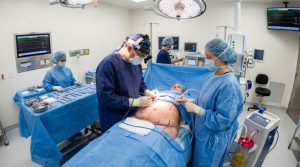


You survived the surgery — now the real work begins. Recovery after postpartum aesthetic procedures is not just about resting on the couch for a few weeks. How well you follow your aftercare instructions directly shapes your final results, your scar quality, and how quickly you can get back to the demands of motherhood.
Dr. Elvan Bayraktar’s patients receive a detailed recovery protocol tailored to their specific combination of procedures. This guide covers the most important things every patient should know during the weeks and months following a mommy makeover or any postpartum cosmetic surgery.
The First Week: What to Expect
The first 7 days are the most physically demanding part of your recovery. You will experience moderate to significant soreness, tightness across the abdomen, and general fatigue. Pain is manageable with prescribed medication — most patients describe the discomfort as a deep muscle ache rather than sharp pain, similar to the feeling after an intense core workout that never lets up.
Swelling peaks between days 2 and 5 and can make you look and feel larger than before surgery. This is completely normal. Bruising spreads outward from the incision sites and may appear in unexpected areas due to gravity pulling fluid downward. Both swelling and bruising begin fading noticeably by the end of the second week.
During this period, you need a dedicated helper at home — especially if you have young children. Lifting anything heavier than 4.5 kg (10 pounds) is strictly prohibited for at least the first 2 to 3 weeks, which means you cannot pick up your baby or toddler. Planning for childcare support before surgery is not optional; it is a medical necessity.
Movement and Activity Restrictions
Bed rest does not mean complete immobility. In fact, gentle walking is one of the most important things you can do starting from day one. Short walks around your home — even just 5 minutes every few hours — promote blood circulation and significantly reduce the risk of deep vein thrombosis (DVT), a potentially dangerous blood clot that forms in the leg veins.
According to the American Society of Plastic Surgeons, DVT risk is highest during the first 2 weeks after combined body contouring procedures. Walking, staying hydrated, and wearing compression stockings are the three pillars of clot prevention. Dr. Bayraktar also prescribes low-molecular-weight heparin injections for patients who underwent procedures lasting more than 3 hours.
Here is a general timeline for returning to physical activities:
- Week 1-2: Light walking indoors only. No bending, twisting, or reaching overhead.
- Week 3-4: Gentle walks outdoors. Driving may resume once you stop taking narcotic pain medication. Desk work is usually possible.
- Week 5-6: Light exercise such as stationary cycling or slow-paced walking on flat terrain. No core exercises yet.
- Week 8-12: Gradual return to full exercise including core work, weight training, and high-impact activities — only with surgeon clearance.
Pushing yourself too hard too early is the fastest way to develop a seroma (fluid pocket), wound breakdown, or prolonged swelling. Listen to your body and follow the timeline your surgeon provides.
Compression Garments: Why They Matter
You will wear a surgical compression garment 24 hours a day for at least the first 4 weeks after body contouring. This is not about aesthetics — compression serves three critical medical functions. First, it reduces swelling by preventing excess fluid from accumulating in the surgical area. Second, it supports the newly tightened tissues as they heal and adhere to the underlying muscle. Third, it helps the skin contract smoothly, reducing the risk of irregularities and contour deformities.
A study in the Journal of Plastic, Reconstructive and Aesthetic Surgery found that patients who wore compression garments consistently for 6 weeks had 40% less swelling at the 3-month mark compared to those who discontinued early. After the initial 4 weeks of round-the-clock wear, most surgeons transition patients to daytime-only compression for another 2 to 4 weeks.
Choose a garment that fits snugly but does not dig into your skin or restrict breathing. Dr. Bayraktar’s clinic provides medical-grade garments fitted specifically for each patient’s body. If your garment feels too tight or too loose after a few days (as swelling changes), contact the clinic for an adjustment or exchange.
Wound Care and Scar Management
Incision care starts the day of surgery and continues for 12 to 18 months. In the first 2 weeks, keep incisions clean and dry. Your surgeon may use surgical glue, tape strips (Steri-Strips), or dissolvable sutures — each has its own care instructions. Showering is typically allowed after 48 hours, but submerging in a bath, pool, or ocean should wait until your surgeon confirms the incisions are fully sealed, usually around 4 to 6 weeks.
Scar management begins once the incisions are closed and any scabs have fallen off naturally — typically around week 3 to 4. Silicone-based scar sheets and gels are the gold standard, backed by multiple randomized controlled trials showing they reduce scar thickness, redness, and overall visibility by 30 to 50% compared to untreated scars.
Sun protection is equally important. UV exposure causes scars to darken permanently. Cover healing scars with clothing or apply SPF 50+ sunscreen for at least the first year.
Diet, Hydration, and Nutrition
What you eat during recovery directly affects how quickly and well your body heals. Protein is the single most important macronutrient for tissue repair — aim for at least 1.2 to 1.5 grams per kilogram of body weight daily during the first 6 weeks. Good sources include eggs, chicken, fish, Greek yogurt, lentils, and protein shakes if solid food is difficult in the first few days.
Hydration matters just as much. Drink at least 2 to 2.5 liters of water daily to support circulation, reduce constipation (a common side effect of pain medication), and help your body flush out anesthesia byproducts. Constipation after surgery is more than uncomfortable — straining puts dangerous pressure on abdominal incisions and muscle repairs.
Reduce sodium intake to keep swelling under control. Processed foods, canned soups, and restaurant meals tend to be high in salt. Focus on whole foods rich in vitamins A, C, and zinc — sweet potatoes, citrus fruits, leafy greens, and nuts — all of which support collagen production and immune function.
Emotional Recovery: The Part Nobody Talks About
Most recovery guides focus on the physical side, but the emotional experience catches many patients off guard. It is common to feel a wave of regret, anxiety, or sadness in the first 1 to 2 weeks — a phenomenon sometimes called “post-surgical blues.” Swelling makes you look worse before you look better, pain medication can affect your mood, and the sudden loss of independence is frustrating for active mothers.
These feelings are temporary and remarkably common. A 2021 survey in Aesthetic Surgery Journal found that 43% of body contouring patients reported mood disturbances in the first 2 weeks, but 94% of the same patients reported high satisfaction by 3 months post-op.
What helps: stay connected with friends and family, avoid comparing your week-1 results to finished outcomes you see online, and keep a recovery journal or take weekly progress photos so you can track improvements objectively. If persistent low mood, panic attacks, or feelings of despair occur, contact your surgeon — they can connect you with appropriate support.
When to Call Your Surgeon
Most recovery hiccups are minor, but certain symptoms require immediate medical attention. Contact Dr. Bayraktar’s clinic or go to the nearest emergency department if you experience any of the following:
- Sudden shortness of breath or chest pain (may indicate pulmonary embolism)
- Fever above 38.5°C (101.3°F) that does not respond to paracetamol
- Rapidly increasing redness, warmth, or pus from an incision (signs of infection)
- Severe unilateral leg pain or swelling (possible DVT)
- Sudden increase in abdominal swelling or firm, painful fluid collection (seroma or hematoma)
Less urgent but still worth reporting: persistent numbness that does not improve after 6 weeks, asymmetry that worsens rather than improves, or incisions that reopen or fail to close. Early intervention for minor issues prevents them from becoming major complications.
Frequently Asked Questions
How long do I need to take off work?
Most patients return to desk-based work within 2 weeks. Physically demanding jobs may require 4 to 6 weeks off. If your job involves lifting, bending, or standing for long periods, discuss a phased return-to-work plan with your surgeon.
When can I sleep in a normal position?
After a tummy tuck, you will need to sleep in a slightly bent position (hips flexed) for the first 2 to 3 weeks to avoid tension on the abdominal incision. A recliner chair works well. Most patients return to sleeping flat by week 4, though side sleeping may resume earlier depending on your comfort level.
Can I fly after surgery?
Short flights (under 3 hours) are generally safe after 10 to 14 days if you can walk the aisle regularly, wear compression stockings, and stay hydrated. Longer international flights should wait until at least 3 weeks post-op. Dr. Bayraktar provides a flight clearance based on your individual recovery progress.
How long until I see final results?
You will notice an immediate difference in contour even with swelling. Most of the swelling resolves by 3 months, and final results — including scar maturation — are fully visible at 12 to 18 months post-surgery.
Is it safe to take supplements during recovery?
Some supplements help healing (vitamin C, zinc, arnica), but others can increase bleeding risk (fish oil, vitamin E, ginkgo biloba, turmeric). Stop all supplements at least 2 weeks before surgery and only resume them with your surgeon’s approval.