

Breast lift surgery, medically referred to as Mastopexy, is a surgical procedure aimed at reshaping and lifting sagging breasts. This operation addresses breast sagging caused by aging, pregnancy, breastfeeding, or weight fluctuations, providing a more youthful and aesthetic appearance to the breasts.
Who is a Candidate for Mastopexy?
Breast lift surgery is performed on women experiencing physical and psychological discomfort due to breast sagging. This operation is particularly suitable for the following cases:
- Women with breast sagging after pregnancy and breastfeeding
- Individuals who have lost breast elasticity due to aging
- Those with early-onset sagging caused by genetic factors
- Patients who have lost breast shape following significant weight loss
- Individuals with irregularities in nipple and areola positioning
Preoperative Evaluation
A thorough preoperative assessment is critical for a successful breast lift surgery. During this process, the surgeon evaluates the patient’s breast tissue, skin elasticity, and overall health. The degree of sagging is determined, and the most appropriate surgical technique is planned.
Mastopexy Techniques
Various surgical techniques are used in breast lift surgery, depending on the degree of sagging and the characteristics of the breast tissue. Modern Mastopexy techniques include:
- Donut (periareolar) technique: Ideal for minimal sagging
- Vertical (lollipop) technique: Used for moderate sagging
- Inverted T (anchor) technique: Preferred for significant sagging
- Crescent technique: Used for very mild sagging
Each technique has its advantages and specific application criteria. The surgeon selects the technique that best suits the patient’s anatomy and expectations to achieve optimal results.
Surgery Process and Anesthesia
Breast lift surgery is performed under general anesthesia and typically lasts 2-3 hours. During the operation, excess skin is removed, the breast tissue is reshaped, and the nipple-areola complex is positioned in an ideal location. The procedure includes the following steps:
- Detailed preoperative planning
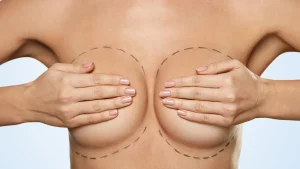
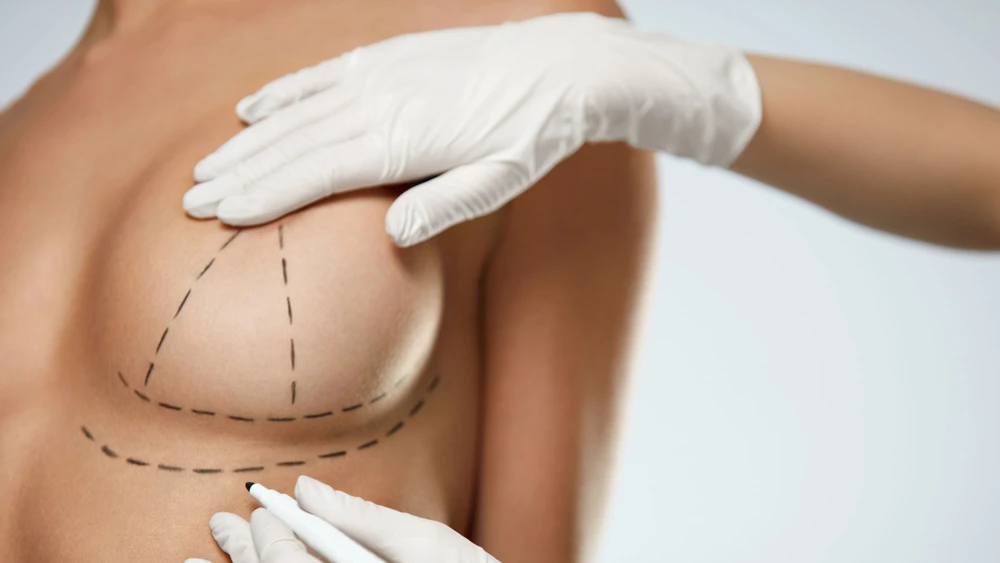
- Surgical markings on the breast
- Administration of general anesthesia
- Making incisions based on the selected technique
- Reshaping the breast tissue
- Repositioning the nipple and areola
- Removing excess skin and suturing
Recovery and Healing Process
The recovery process following Mastopexy typically involves the following stages:
- First 24 hours: Observation in the hospital
- First week: Careful management of sutured areas
- 2-4 weeks: Use of a special medical bra
- 4-6 weeks: Gradual return to normal physical activities
- 3-6 months: Full recovery and the emergence of final results
Postoperative Care Recommendations
For successful results, patients should adhere to the following postoperative care guidelines:
- Regular care of the surgical area
- Consistent use of the recommended medical bra
- Avoiding sleeping on the stomach
- Refraining from excessive arm movements
- Taking prescribed medications as directed
- Strictly avoiding smoking
- Attending regular follow-up appointments
Potential Risks and Complications
Like any surgical procedure, breast lift surgery carries certain risks:
- Temporary sensitivity and pain
- Risk of infection
- Scar formation
- Temporary changes in nipple sensitivity
- Possibility of asymmetry
- Delayed wound healing
Long-Term Results
The results of Mastopexy are generally long-lasting; however, aging, pregnancy, and weight changes can affect the outcomes. To maintain results, adopting a healthy lifestyle and attending regular follow-ups is recommended.
Frequently Asked Questions
Here are some common questions about breast lift surgery:
- Can I have surgery if I plan to get pregnant? It is recommended to postpone the surgery for patients planning pregnancy.
- Are the scars permanent? Scars fade over time but do not disappear completely.
- Will breastfeeding be affected? With the right technique, breastfeeding is usually unaffected.
- Are the results permanent? Results can be maintained long-term with a healthy lifestyle.
- When can I resume exercise? Exercise can typically be resumed 6-8 weeks post-surgery.