

Liposuction (Fat Removal)
Many individuals struggle with stubborn fat deposits in specific areas of their bodies despite regular exercise and a healthy diet. Liposuction is a modern aesthetic surgical method that effectively addresses such localized fat accumulations. This procedure provides a solution for areas resistant to diet and exercise, helping to reshape the body.
Who is a Candidate for Liposuction?
The success of liposuction largely depends on proper patient selection. Ideal candidates typically include:
- Individuals near their ideal weight but with localized fat deposits
- Those with healthy and elastic skin
- Patients with realistic expectations
- Non-smokers or those willing to quit smoking before the surgery
- Healthy individuals without chronic illnesses
It is important to note that liposuction is not a weight-loss method but a body contouring procedure. Therefore, individuals who are significantly overweight are advised to follow a general weight-loss program before considering this surgery.
Areas Suitable for Liposuction
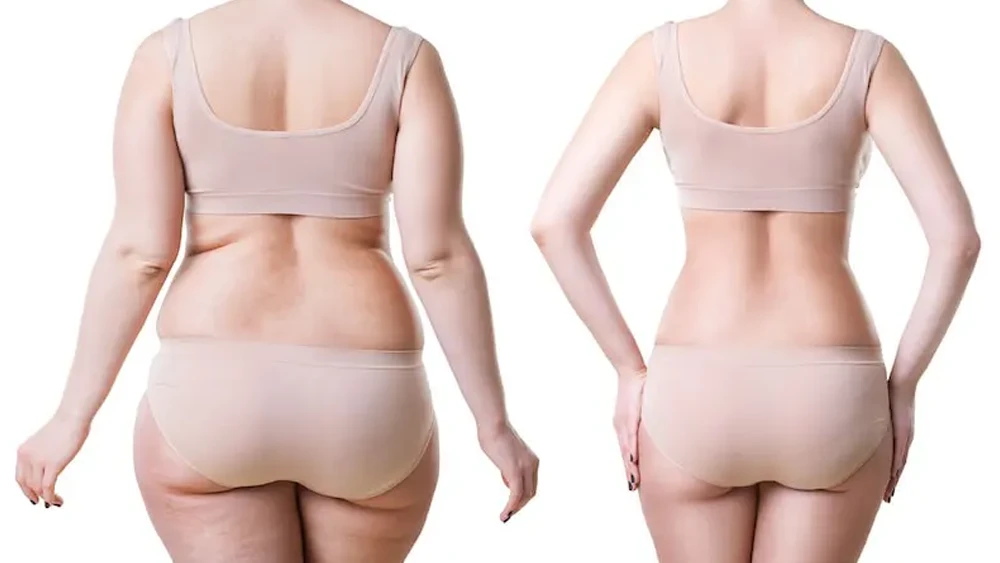
Liposuction is effective in removing fat deposits from various parts of the body, including the abdomen, waist, hips, buttocks, inner and outer thighs, arms, and under the chin. A personalized treatment plan is developed for each patient, taking into account their anatomy, skin elasticity, and fat distribution.
Preoperative Preparation for Liposuction
A thorough evaluation is crucial before the surgery and includes the following steps:
- Detailed physical examination and photographic documentation
- Necessary laboratory tests and imaging studies
- Review of the patient’s medical history
- Development of a personalized surgical plan
- Adjustment of medication usage
Patients are also advised to stop taking blood-thinning medications and quit smoking at least two weeks before the surgery.
Liposuction Procedure
The procedure is typically performed under general anesthesia, and its duration varies between 1-4 hours depending on the amount of fat to be removed and the number of areas treated. Modern liposuction techniques minimize damage to surrounding tissues, ensuring a more comfortable recovery process.
During the procedure, small incisions are made to insert specialized cannulas for controlled fat removal. Advanced technologies significantly reduce blood loss during the operation.
Recovery and Results
The postoperative period involves the following stages:
- First 24-48 hours: Observation in the hospital
- First week: Gradual return to daily activities
- 4-6 weeks: Use of a specialized compression garment
- 3-6 months: Full recovery period
Compression garments help the skin adapt to its new shape and minimize swelling. Regular follow-up appointments ensure optimal results during the recovery phase.
Tips for Long-Lasting Results
One of the significant advantages of liposuction is the permanent removal of fat cells. However, remaining fat cells can still expand. To maintain long-lasting results:
- Follow a regular exercise routine
- Adopt a balanced and healthy diet
- Stay hydrated
- Maintain a consistent sleep schedule
- Practice stress management
These lifestyle changes are essential for preserving the results of the procedure over the long term.
Potential Risks and Complications
As with any surgical procedure, liposuction carries certain risks. However, these risks are minimized when performed by an experienced surgeon in an accredited facility. Potential risks include:
- Temporary swelling and bruising
- Temporary changes in sensation
- Minimal scarring
- Rare risk of infection
- Skin irregularities
These risks are thoroughly evaluated and discussed with the patient during the preoperative consultation.