

Breast reduction surgery is a significant aesthetic procedure aimed at addressing the physical and psychological issues caused by overly large breasts. This operation not only improves appearance but also significantly enhances the quality of life. It is an ideal solution for women who experience neck, back, and shoulder pain or face limitations in daily activities due to large breasts.
Who is a Candidate for Breast Reduction Surgery?
Breast reduction surgery is suitable for women who experience physical or psychological discomfort due to breast size. It is particularly recommended in the following cases:
- Neck, back, and shoulder pain
- Grooves on shoulders caused by bra straps
- Difficulty in sports and physical activities
- Postural issues due to large breasts
- Challenges in clothing choices
- Skin problems such as irritation or fungal infections under the breasts
Preoperative Evaluation Process
A detailed preoperative evaluation is essential for a successful operation. During this process, the surgeon assesses the patient’s anatomy, skin quality, and overall health. Patient expectations are discussed in detail, and realistic goals are established.
The evaluation process typically involves the following steps:
- Comprehensive physical examination and breast measurements
- Detailed review of medical history
- Necessary imaging tests (mammography, ultrasound)
- Assessment of the patient’s lifestyle and activity level
- Planning the ideal breast size and shape
Surgical Techniques
Different surgical techniques can be used in breast reduction surgery. The choice of technique depends on breast size, degree of sagging, and patient expectations. Common techniques include:
- Vertical (lollipop) technique
- Inverted T (anchor) technique
- Periareolar (around the nipple) technique
Each technique has its unique advantages and application criteria. The surgeon selects the most suitable technique to achieve optimal results.
Surgery Process
The operation is performed under general anesthesia and typically takes 2-4 hours. During the procedure, excess breast tissue, fat, and skin are removed. The nipple and areola are repositioned, and the breast is reshaped for a more aesthetic appearance.
The surgery process involves the following steps:
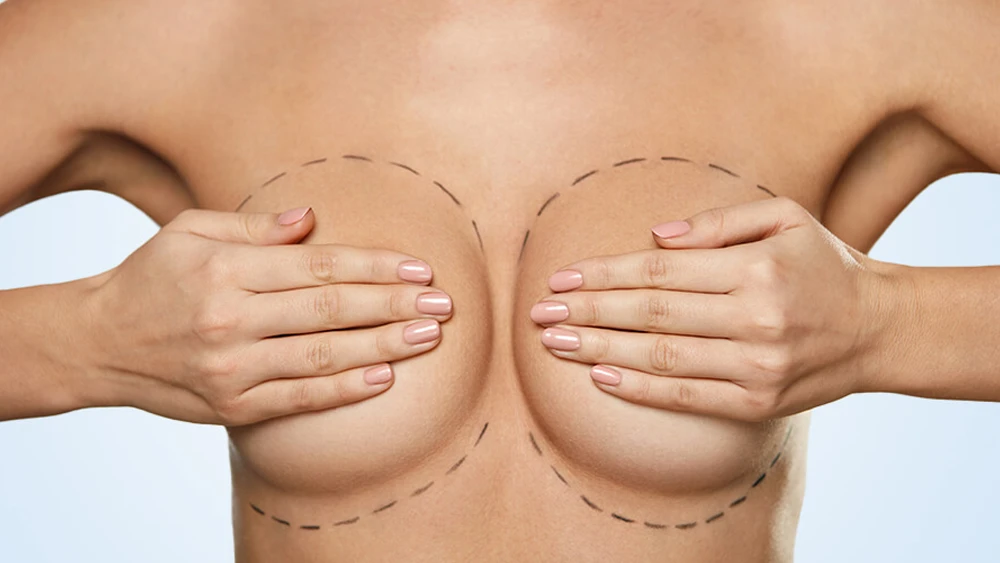
- Preoperative markings on the breasts
- Administration of general anesthesia
- Incisions made according to the chosen technique
- Removal of excess tissue and fat
- Repositioning the nipple and areola
- Reshaping and suturing
Recovery and Healing Period
The recovery process varies from person to person but generally includes the following stages:
- First 48 hours: Observation in the hospital
- First week: Gradual return to daily activities
- 2-3 weeks: Use of a special sports bra
- 4-6 weeks: Return to normal activities
- 3-6 months: Full recovery and final results
During this period, patients should pay attention to key points such as wearing the prescribed sports bra, proper wound care, and avoiding certain movements.
Postoperative Care and Recommendations
For a successful recovery, patients should follow these recommendations:
- Regular dressing and wound care
- Wearing the recommended sports bra for the prescribed duration
- Avoiding heavy physical activities
- Attending regular follow-up appointments
- Maintaining a healthy diet and staying hydrated
- Refraining from smoking
Potential Risks and Complications
As with any surgical procedure, breast reduction surgery carries certain risks:
- Temporary sensory changes
- Scar formation
- Possibility of asymmetry
- Risk of infection
- Changes in nipple sensitivity
- Delayed wound healing
These risks can be minimized with appropriate patient selection, proper surgical techniques, and careful postoperative care.
Long-Term Results
The results of breast reduction surgery are generally permanent. However, factors such as pregnancy, weight changes, and aging can affect breast tissue. Most patients report a significant reduction in physical complaints and an improvement in their quality of life after the operation.
To maintain optimal results, patients are encouraged to adopt a healthy lifestyle and attend regular follow-up appointments.