

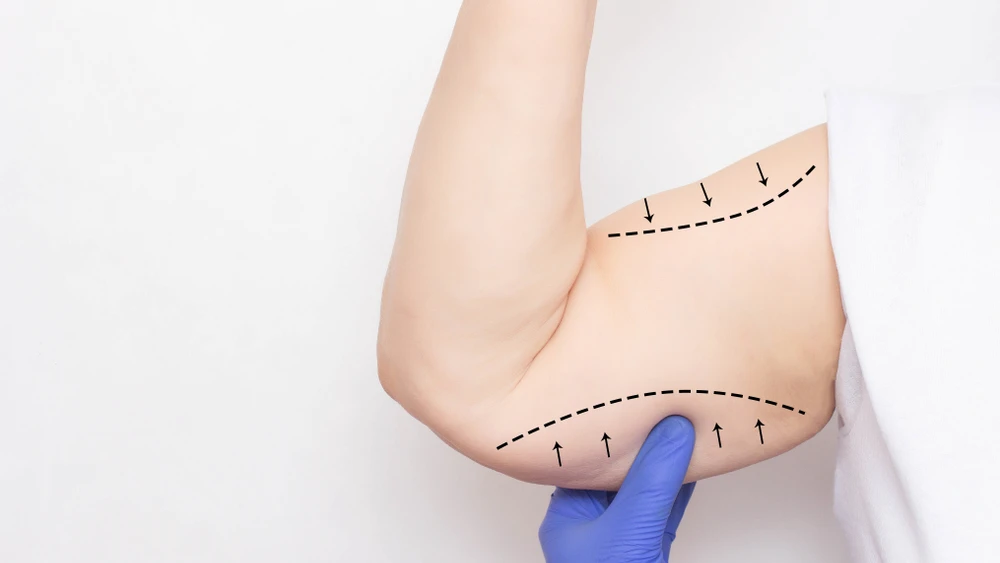
Arm lift surgery, medically known as Brachioplasty, is an aesthetic surgical procedure designed to reshape the arms by removing sagging skin and excess fat in the upper arm region. Sagging arms, caused by aging, significant weight loss, or genetic factors, can negatively impact many individuals’ self-confidence. Brachioplasty not only improves physical appearance but also helps individuals feel more comfortable in social settings and daily activities.
Arm Lift Surgery Techniques
Brachioplasty involves different surgical techniques depending on the patient’s arm structure and the degree of sagging. The most suitable technique is determined after a detailed physical examination. Modern surgical techniques prioritize minimal scarring and maximum effectiveness.
Traditional Brachioplasty
This technique, used for patients with significant sagging, involves a longitudinal incision along the inner arm. Excess skin and fat are removed, and the arm is reshaped. While it provides dramatic results, it leaves a more noticeable scar.
Mini Brachioplasty
For mild to moderate sagging, this technique uses a shorter incision in the armpit area and can be combined with liposuction. The scar is less noticeable, and the recovery process is faster.
Who is a Candidate for Arm Lift Surgery?
Brachioplasty is recommended for individuals seeking to correct deformities in the arm region. Ideal candidates typically include:
- Individuals with significant sagging in the upper arms
- Those with arm deformities after substantial weight loss
- People with sagging arms unresponsive to exercise
- Individuals in good overall health
- Non-smokers or those willing to quit
- Patients with realistic expectations
- Individuals who have reached and maintain their ideal weight
Preparation for Arm Lift Surgery
Physical Assessment
A successful Brachioplasty requires a detailed preoperative evaluation, including:
- Detailed anatomical examination of the arm
- Assessment of skin elasticity
- Determination of fat tissue volume
- Measurement of the degree of sagging
- Examination of lymph nodes
- Review of any previous surgical scars
Medical Preparation
- Comprehensive blood tests
- Cardiological evaluation
- Adjustment of medication use
- Anesthesia consultation
- Required imaging studies
- Photography and measurements
Arm Lift Surgery Process
Brachioplasty is performed under general anesthesia and typically takes 2-3 hours. The procedure involves the following steps:
- Preoperative markings
- Administration of general anesthesia
- Making incisions based on the chosen technique
- Removal of excess skin and fat
- Application of liposuction if necessary
- Reshaping of tissues
- Layered suturing of tissues
- Placement of drains
Recovery After Arm Lift Surgery
First Week
Postoperative care in the early period includes:
- Use of a special compression garment
- Keeping the arms elevated
- Regular dressing changes
- Avoiding excessive arm movements
- Using prescribed medications
- Monitoring for signs of infection
First Month
During the first month of recovery, patients should:
- Continue using the compression garment
- Gradually resume light daily activities
- Pay attention to wound care
- Attend regular follow-ups
- Start scar treatment
- Avoid sun exposure
Risks of Arm Lift Surgery
Early Risks
- Bleeding and hematoma
- Infection
- Delayed wound healing
- Seroma (fluid accumulation)
- Temporary sensory changes
Late Risks
-
- Asymmetry
- Hypertrophic scarring
- Permanent sensory changes
- Lymphedema
- Contour irregularities
Longevity and Results
The results of Brachioplasty are generally long-lasting; however, aging and weight changes can affect the outcomes. Recommendations for maintaining results include:
- Maintaining a stable weight
- Following a regular exercise program
- Adopting healthy eating habits
- Protecting scars from the sun
- Maintaining proper skin care
Frequently Asked Questions
When Can I Take a Shower?
Showers are generally allowed 48-72 hours post-surgery under medical supervision. Stitches and dressings must be carefully protected.
When Can I Resume Exercise?
Light walking can start two weeks post-surgery. Arm exercises can begin after 6-8 weeks, and strenuous activities are recommended after three months.
How Visible Are the Scars?
While scars are initially noticeable, they fade over time. The healing process can be supported with scar care products and sun protection.